
Turning Idle Stock Into Operational & Financial Control
A practical guide to identifying and reducing excess automation inventory, unlocking trapped working capital, improving cash flow efficiency, and lowering production risk through structured decision-making before the year-end reset, ensuring your operations remain financially controlled, operationally resilient, and fully prepared for upcoming shutdowns and budget cycles.
Why Surplus Automation Is a Hidden Liability
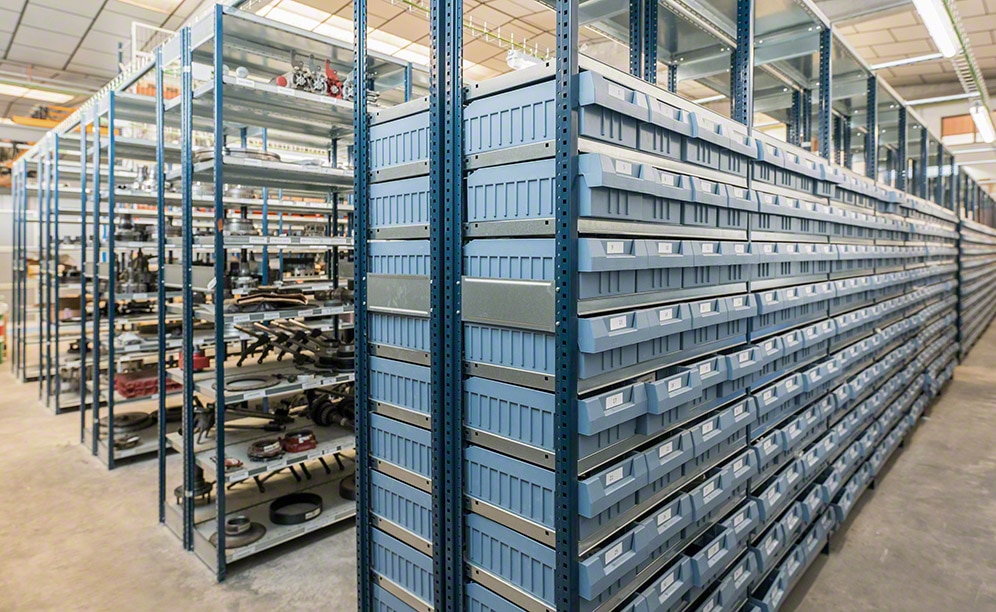
Across industrial sites, surplus automation stock tends to build up gradually and often without clear visibility or ownership. Over time, stores become filled with obsolete drives, duplicate PLC units, unused spare parts, and leftover components from past projects. In many cases, there is also insurance stock that was originally purchased as a precaution but has not been reviewed or justified for years. What begins as a safety measure can quietly evolve into a significant operational and financial burden if it is not actively managed.
Surplus stock creates several challenges that extend beyond simple storage. It ties up capital that could otherwise be used to improve operations or fund critical upgrades. It distorts the balance sheet by inflating asset value without delivering real utility. It introduces storage risks, as components can degrade over time due to environmental exposure. It also increases exposure to obsolescence, especially when OEM support is withdrawn. Ultimately, it generates zero return on investment while continuing to occupy space and resources.
-
Tied-up capital that cannot be reinvested
-
Balance sheet distortion
-
Storage-related degradation where components deteriorate over time
-
Increased exposure to obsolescence
-
Zero return on investment
Idle automation stock is not protection unless it is structured, reviewed, and actively managed within a clear lifecycle strategy.
The 5 Types of Surplus

Not all surplus inventory is the same, and treating it as a single category often leads to poor decisions. A more effective approach is to break surplus down into distinct types so that each can be managed appropriately. By understanding the origin and purpose of each item, businesses can decide whether to retain, review, recover, or dispose of it in a controlled way rather than reacting under pressure.
1. True Redundancy
Assets that are no longer used anywhere on site and have no future operational relevance.
2. Project Leftovers
Over-ordered components that remain after installations are completed, often due to conservative procurement practices.
3. Obsolete but Functional
Items that are no longer supported by original manufacturers but can still be repaired or maintained through independent specialists.
4. Duplicated Insurance Stock
Multiple units held for contingency purposes, often exceeding realistic failure risk requirements.
5. Unknown Inventory
Stock that lacks documentation or a clear link to any specific production asset, making it difficult to justify or utilise.
Clear classification enables better decision-making and prevents both unnecessary disposal and unnecessary retention.
The Recovery Framework
A structured recovery framework transforms surplus from a passive liability into an active financial and operational tool. Without a defined process, companies often either hold onto everything out of caution or dispose of items without understanding their true value. The following steps provide a controlled method to assess, manage, and recover value from surplus inventory while protecting operational continuity.
Step 1 – Identify
The first step is to establish full visibility over what is actually being held in storage. This means building a comprehensive and accurate surplus list that captures all relevant technical and operational details. Without this foundation, any further decision-making is based on assumptions rather than facts.
-
Part number
-
Manufacturer
-
Condition
-
Quantity
-
Linked production asset if known
-
Last usage date
Step 2 – Categorise
Once visibility is established, inventory should be segmented into clear categories that reflect its operational importance and potential value. This prevents critical assets from being mistakenly released and highlights where recovery opportunities exist.
-
A – Critical Spares retain
-
B – Strategic Backup review
-
C – Recoverable Surplus monetise
-
D – Obsolete Disposal
Step 3 – Risk Assessment
Before any stock is removed, sold, or repurposed, it is essential to evaluate the operational risk associated with that decision. This step ensures that production continuity is never compromised in the pursuit of short-term financial gain. A structured risk review provides confidence that any action taken is both safe and justified.
-
Is it linked to an active production line
-
Is independent repair available
-
Is refurbishment a lower-cost alternative
-
What is the real probability of failure
Control must always come before monetisation to avoid unintended disruption.
Step 4 – Recover Capital
After risk has been assessed and control has been established, surplus inventory can be converted into financial value through a range of structured options. This is where idle stock begins to actively contribute to business performance rather than detract from it.
-
Direct buy-back
-
Consignment resale
-
Credit against future repairs
-
Stock rotation programmes
Recovered capital can then be strategically reinvested to strengthen operations and reduce financial pressure.
-
Offset repair costs
-
Fund refurbishment
-
Improve operational expenditure allocation
-
Reduce capital expenditure pressure
Step 5 – Implement Ongoing Review
Surplus management should not be treated as a one-time exercise or a reactive response to financial pressure. Instead, it should become part of a regular operational rhythm that ensures inventory remains aligned with actual production needs over time.
-
Quarterly
-
Structured
-
Proactive not reactive
This approach eliminates last-minute decisions and creates long-term stability.
Financial & Operational Benefits
When surplus inventory is actively managed through a structured framework, the benefits extend across both financial performance and operational efficiency. Rather than simply reducing stock levels, organisations gain greater control over how assets are utilised, valued, and maintained throughout their lifecycle. This creates a more resilient and responsive operation that is better equipped to handle both planned and unexpected demands.
-
Frees working capital
-
Reduces warehouse footprint
-
Improves ESG reporting
-
Lowers embedded carbon waste
-
Enhances inventory accuracy
-
Eliminates duplicate spend
This is not cost cutting. It is a shift towards full lifecycle control and smarter asset management.
March: The Strategic Control Window

March represents a critical period for taking control before financial and operational pressures increase in April. It is the point where unused budget can still be strategically deployed, and where decisions made can directly influence both short-term performance and long-term efficiency. Acting during this window allows businesses to prepare properly rather than react under pressure later.
-
Review unused budget allocation
-
Convert idle stock into controlled liquidity
-
Reduce balance sheet exposure
-
Prepare effectively for Easter shutdowns
March should be treated as a proactive control window rather than a passive waiting period.
Take Control Before It Controls You
At Ralakde, we support organisations in transforming surplus inventory into a structured and valuable part of their operational strategy. By combining technical expertise with practical recovery solutions, we help businesses reduce risk, unlock capital, and improve long-term efficiency without compromising production.
✔ Automation buy-back
✔ Surplus evaluation
✔ Obsolescence planning
✔ Repair-first lifecycle strategies
✔ Stock rationalisation across UK and EU
Send us your surplus list for a confidential review and take the first step towards operational and financial control.


